

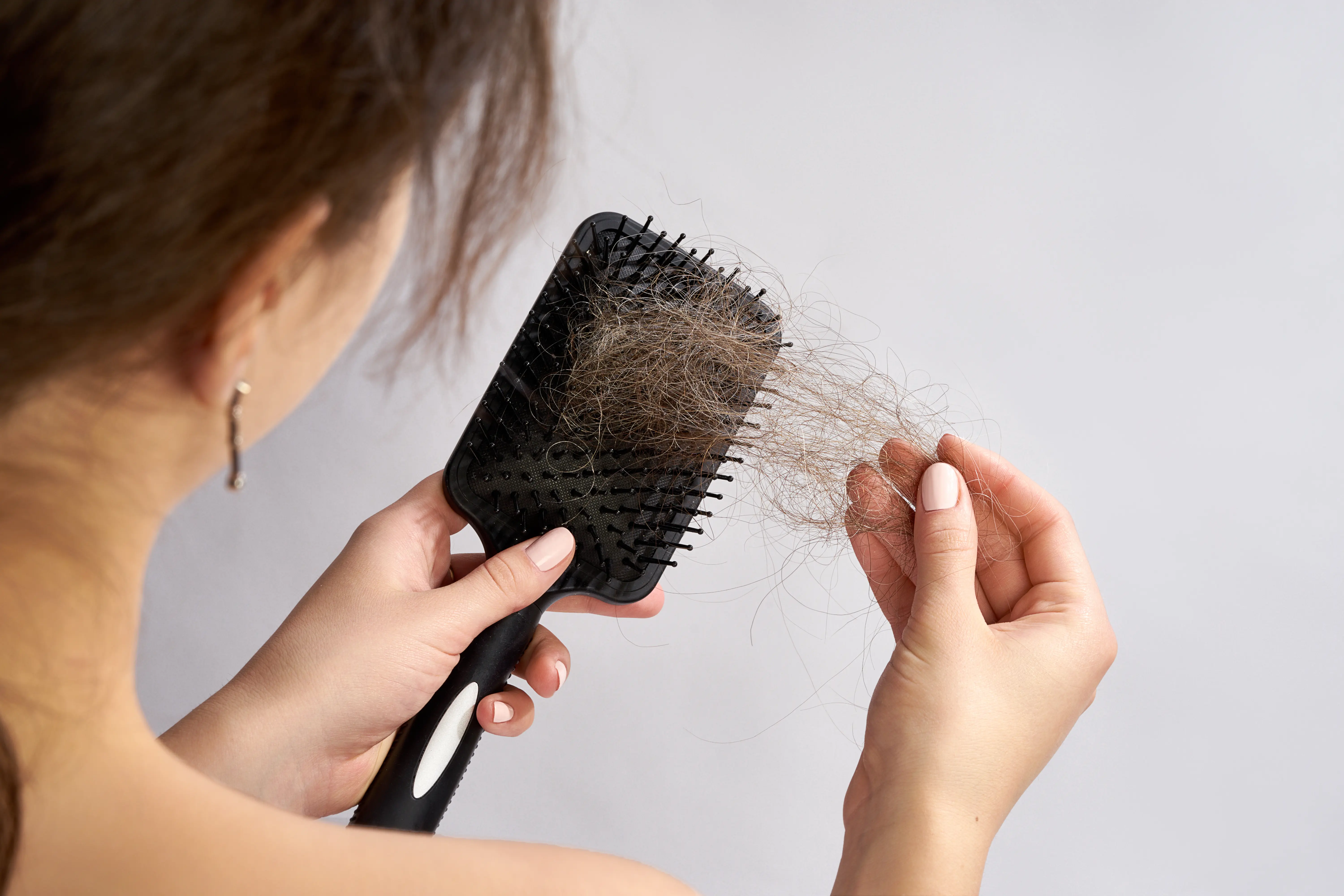
If you've ever noticed more hair in your brush during certain times of the year, you’re not imagining it. Seasonal hair shedding is a real and well-documented phenomenon that affects both men and women. While it can feel alarming, it is often a normal part of the hair-growth cycle and not necessarily a sign of permanent hair loss.
That said, seasonal shedding can be more pronounced for some individuals, especially those already experiencing thinning, hormonal changes, or scalp imbalances. Understanding why it happens and how to manage it can help you maintain healthier, fuller-looking hair all year long.
Your hair follows a natural growth cycle made up of three phases:
Seasonal shedding typically occurs when a larger percentage of hairs enter the telogen phase at the same time. This often happens due to environmental changes, sunlight exposure, and shifts in temperature and humidity.
Most people experience increased shedding in:
During these months, shedding may increase by up to 60% compared to other times of the year — but it’s generally temporary.
Several factors contribute to this predictable rise in shedding:
During summer, increased UV exposure can stress the scalp and damage hair fibers. After months of sun exposure, follicles naturally release weakened hairs in the fall.
Sudden shifts in weather — such as transitioning from warm outdoor temperatures to cold, dry indoor air — can irritate the scalp and disrupt the hair cycle.
Studies suggest that human hair may follow seasonal patterns similar to animals, though less extreme. Hormonal fluctuations throughout the year can influence the telogen-to-anagen ratio.
Ponytails, buns, and swimming activities may stress the hair shaft, leading to delayed shedding in the fall.
Heat dehydrations can cause minor follicle stress, prompting increased hair release months later.
While seasonal shedding is normal, it can feel distressing — especially if your hair is already thinning or weakened.
Seasonal shedding is temporary and usually resolves on its own. But how do you tell it apart from true hair loss?
If you’re unsure which one you’re experiencing, a professional scalp evaluation is the best way to get clarity.
Some individuals are more sensitive to seasonal changes than others. Your shedding may be more noticeable if you have:
If any of these apply to you, proactive scalp and follicle support can help minimize seasonal shedding.
While seasonal shedding can’t be prevented entirely, you can reduce its severity and support faster regrowth.
Healthy scalp = stronger follicles. Focus on:
A diet rich in:
…helps reinforce the hair-growth cycle. Supplements like Nutrafol also target stress and hormone imbalances that worsen shedding.
Summer activities may have weakened the hair. Give it time to recover by reducing:
Dehydration can trigger follicle stress. Aim for consistent daily water intake, especially during warmer months.
Chronic stress amplifies seasonal shedding. Incorporate:
A calmer nervous system = healthier hair growth.
For individuals looking to minimize shedding and strengthen hair during seasonal transitions, Alma TED Hair Restoration is one of the most effective professional options.
TED helps by:
Because TED is needle-free, painless, and requires no downtime, it’s ideal for clients who want long-lasting hair health support without surgery or discomfort.
TED is especially helpful when used proactively — such as during fall shedding season — to keep follicles strong year-round.
Seasonal hair shedding is a natural part of the hair cycle, but that doesn’t mean you have to feel helpless when it happens. By understanding the causes and taking simple steps to support your scalp and follicles, you can minimize shedding and maintain thicker, healthier hair throughout the year.
If you’re experiencing increased shedding or thinning during seasonal changes, the experts at ReVIDAlize in Vista, CA can help restore balance and strengthen your follicles with advanced non-invasive solutions like Alma TED.
Schedule your hair-health consultation today and stay ahead of seasonal shedding with personalized care.


